

The History of the Labubu Logo and The Evolution of the Brand
In the crowded world of collectibles and toys, some brands become prominent through massive media franchises, while others find their voice through unique characters. The Labubu brand belongs to the latter.
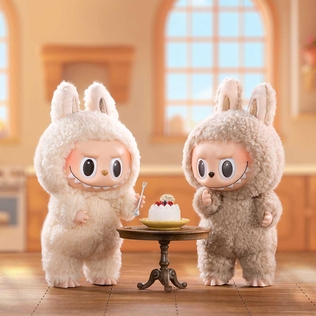
Created by Taiwanese artist Kasing Lung, Labubu was brought to life as a designer toy by the Hong Kong–based company How2work. With its untamed hair, mischievous grin, and jagged teeth, Labubu defies conventional notions of “cute” and “charming.” Instead, it has carved out a distinctive identity and cultivated a dedicated cult following.
This phenomenon isn’t driven by a cartoon series or a blockbuster film. It’s a testament to the profound impact of raw, character-driven design on brand loyalty. Introduced in 2015, the Labubu logo serves as the final touch on this intriguing visual identity, translating the toy’s whimsical yet edgy personality into a refined and memorable mark.
Deconstructing Labubu’s core identity
Labubu embodies deliberate imperfection and spirited nonconformity. Born from a simple sketch, the character was never intended to be a polished, mass-market figure. Its visual hallmarks—chaotic fur, a subtly menacing smile, and wide, expressive eyes—create a tension between the playful and the peculiar.
This “ugly-cute” aesthetic is the brand’s most powerful asset, appealing to collectors drawn to its authenticity and attitude. This approach bypasses the need for a sanitized, universally appealing character and instead connects deeply with a niche audience that values uniqueness and artistic expression.
Labubu’s success is fundamentally rooted in its unconventional origin story and brand narrative, which is built on discovery rather than a pre-packaged plot. The character came to life not through a pre-scripted storyline, but through the evolving imagination of its creator.
Each new variant of the toy—from pirate-themed figures to glow-in-the-dark editions—adds another layer to this mysterious persona, encouraging fans to participate in a brand narrative built on exploration.
The element of mystery combined with the hunt for rare editions is are key driver of Labubu’s success, turning each toy into part of a larger, unfolding enigma. This strategy fosters a powerful sense of community and personal connection, as fans feel they are part of an exclusive club.
The brand’s reliance on the character’s raw personality, rather than a polished media machine, is a key differentiator. It’s an organic growth model that demonstrates the power of a strong, singular visual concept. The brand proves that, in the right hands, a simple toy can become a cultural touchstone.
The Labubu character has become an icon of art and anti-conformity in the designer toy world, transcending its status as merely a toy.
The brand mark: A lesson in subdued design
While the toys themselves are a riot of creative expression, the Labubu logo takes a surprisingly tranquil and composed approach. It stands as a sophisticated counterpoint to the wild nature of the character it represents.
Since its introduction in 2015, the badge has remained unchanged, reflecting its timeless design and the creators’ focus on the evolving toy line. In an industry where trends change rapidly, this stability in branding is a powerful statement.
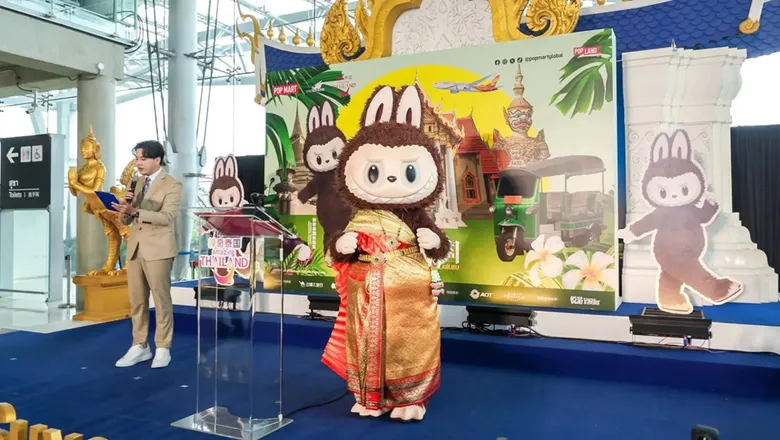
The logo’s design is a masterclass in subtlety and strategic branding. It is a composed emblem that uses a gentle, earthy color palette. The centerpiece is a stylized rendering of the Labubu monster’s head placed to the left of the brand name. The inscription sits against a solid white background with a soft, hand-drawn pink stripe that adds a playful, childlike touch.
The combination of brownish and soft beige-pink hues creates a welcoming and relaxing mood, an unexpected yet highly effective choice for a brand that, at its core, is slightly unsettling. The logo’s strategic use of color sets it apart from the bright, loud palettes often found in the collectible toy market, signaling a more mature, design-conscious brand.
It communicates quality and craftsmanship, rather than pure energy and chaos. The logo’s visual stability provides a necessary anchor in the ever-changing, vibrant world of toys.
Typography and aesthetics
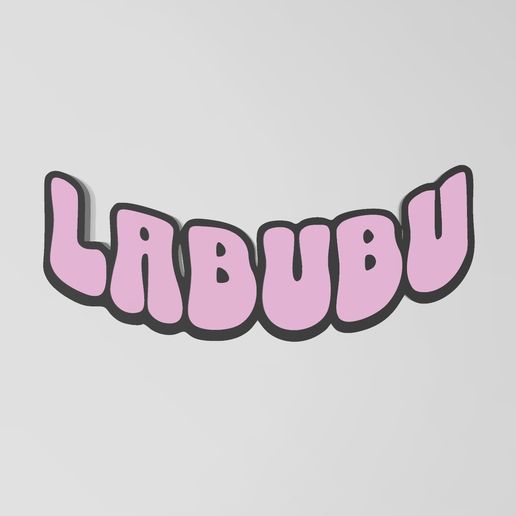
The typography of the Labubu logo is bold and custom. The brand name is written in an original uppercase sans-serif font. The characters have clean, straight cuts and subtly arched line endings, giving them a bubbly yet structured appearance.

This bespoke font is a key part of the logo’s identity, conveying a sense of playful confidence without resorting to generic or overly stylized lettering. The design team’s preference for custom typography over standard fonts highlights the brand’s dedication to originality and its unique visual language. It’s a small detail that speaks volumes about the brand’s dedication to its craft.
The font is approachable and friendly, yet possesses a unique character that prevents it from being simplistic. It perfectly mirrors the character’s “ugly-cute” nature, being clean yet a bit quirky.
The logo’s calm color scheme and custom typeface come together to create an iconic yet approachable mark. Much like the character itself, it defies easy categorization and serves as a visual signature. It’s a professional, clean mark that effectively complements the quirky product line, proving a logo doesn’t mirror the product. Rather, it can be a strategic visual partner that provides stability and design maturity to an otherwise chaotic and imaginative world.
The duality of chaos and order
The most compelling aspect of the Labubu brand is the duality it offers consumers. The toys themselves are full of raw energy, unpredictability, and a charmingly rebellious spirit. They are collectible art pieces, each with its own unique flair. However, the branding is the antithesis of this. The logo and visual identity are calm, orderly, and professional. This tension is not a weakness, but rather the brand’s core strength.
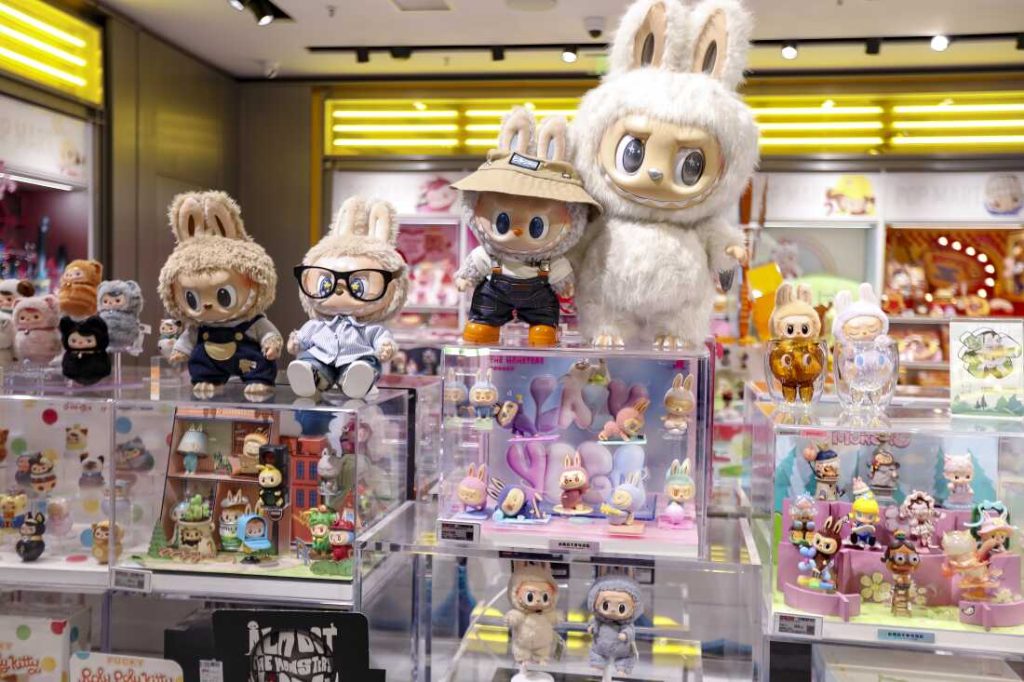
This strategic duality enables the brand to appeal to two different aspects of consumers’ brains. The products satisfy the desire for creativity, originality, and artistic expression.
Meanwhile, the branding provides a sense of reliability and legitimacy. It tells consumers, “This may be a wild, imaginative product, but it comes from a thoughtful, professional, and stable brand.” This creates a powerful relationship with consumers, who feel they are buying not just a toy, but also a piece of carefully curated art from a trustworthy source.
This contrast is an important lesson in modern branding. It shows that a brand mark does not need to convey the same message as the product. Instead, it can offer complementary value. In Labubu’s case, the logo provides the sophisticated foundation that makes the quirky product line seem like a serious, respected brand, rather than a mere novelty. The logo establishes the brand’s identity with consistent design principles, allowing the product line to explore artistic imagination freely.
A timeless mark for an ever-evolving brand
The Labubu logo has remained unchanged since its introduction in 2015, which speaks to its successful design and the brand’s confidence in its visual identity. In a world of constant rebrands and visual updates, a static logo signals strength and timelessness.
It tells the audience that the brand’s foundation is solid, and its core identity is not subject to passing trends. This consistency is crucial for building a lasting connection with a fan base that values continuity and a sense of shared history.
The Labubu logo is more than just a brand mark, it’s a promise of quality and a signal of the brand’s unique identity. It is a prime example of how a brand can honor its eccentric origins while presenting a polished, lasting impression.
Labubu’s success is a reminder that authenticity and a well-conceived design strategy will always win out over a one-dimensional approach, even for the most unconventional of brands.